
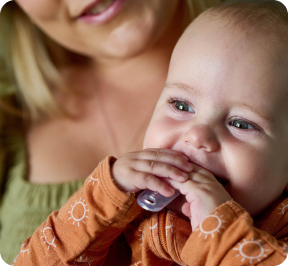




Your baby’s mouth is learning every day
From sucking and swallowing to mouthing, exploring food and learning to chew, the first 18 months bring important changes in how your baby uses their mouth.
Just like reaching, grasping and crawling, oral skills develop as your baby grows and explores.
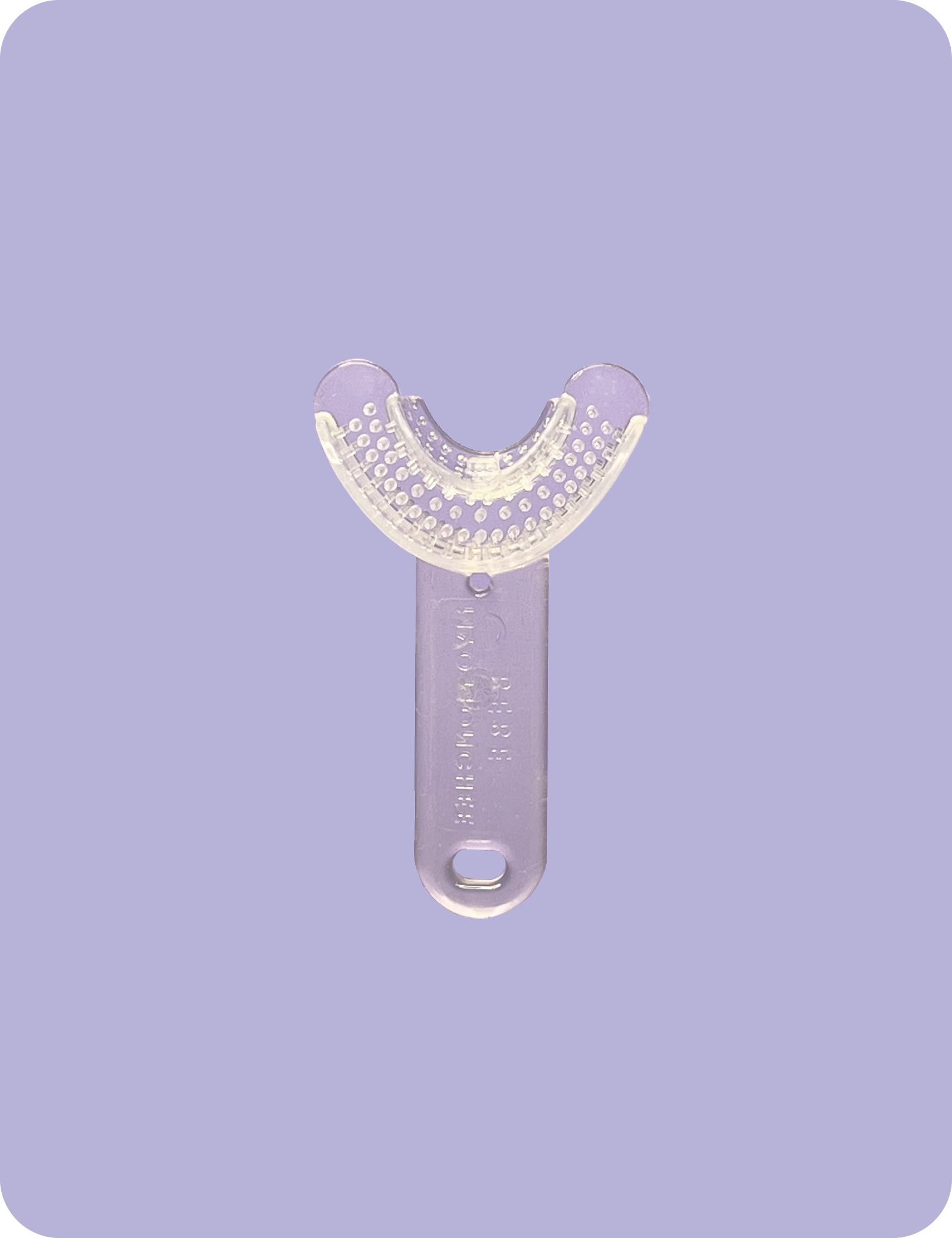
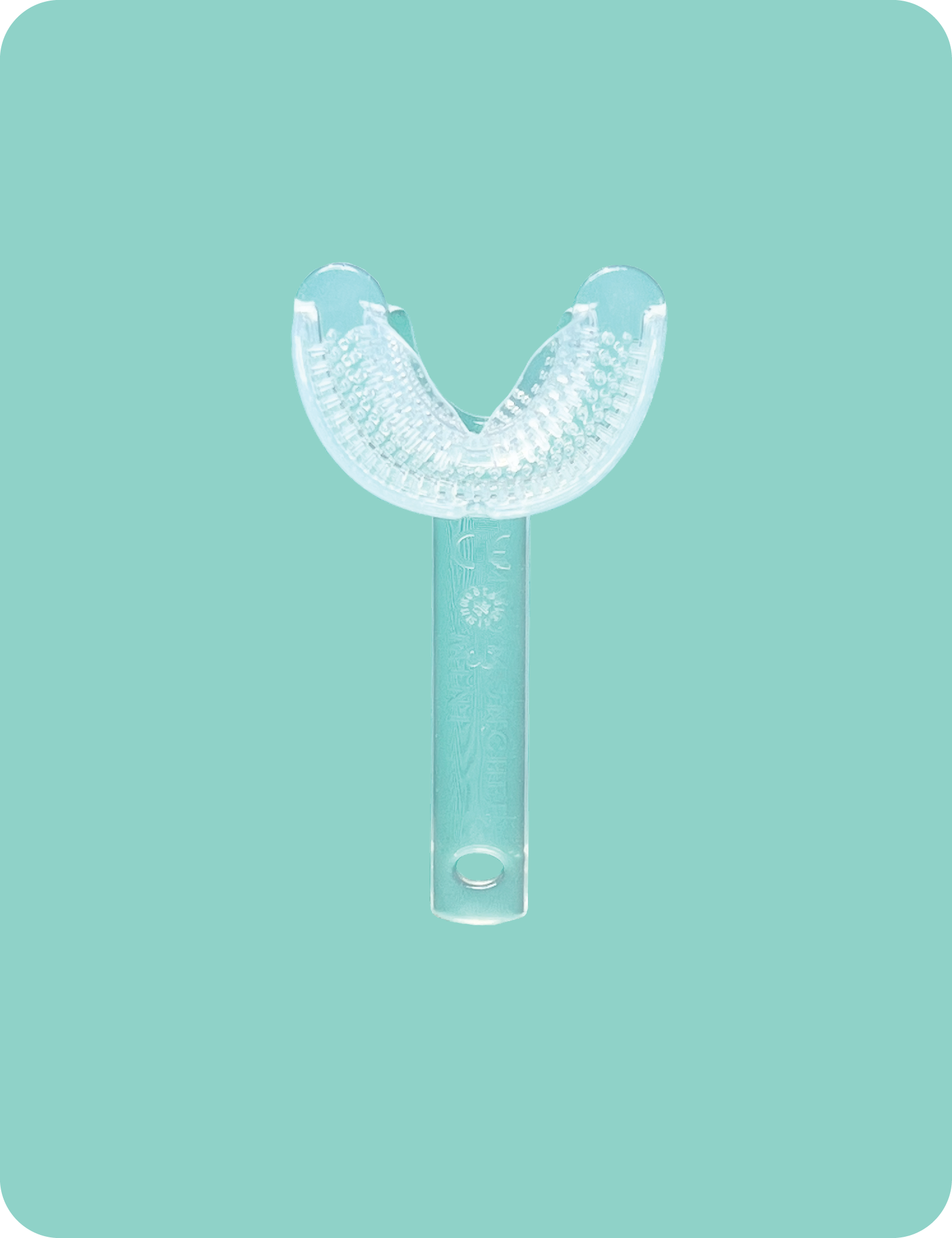
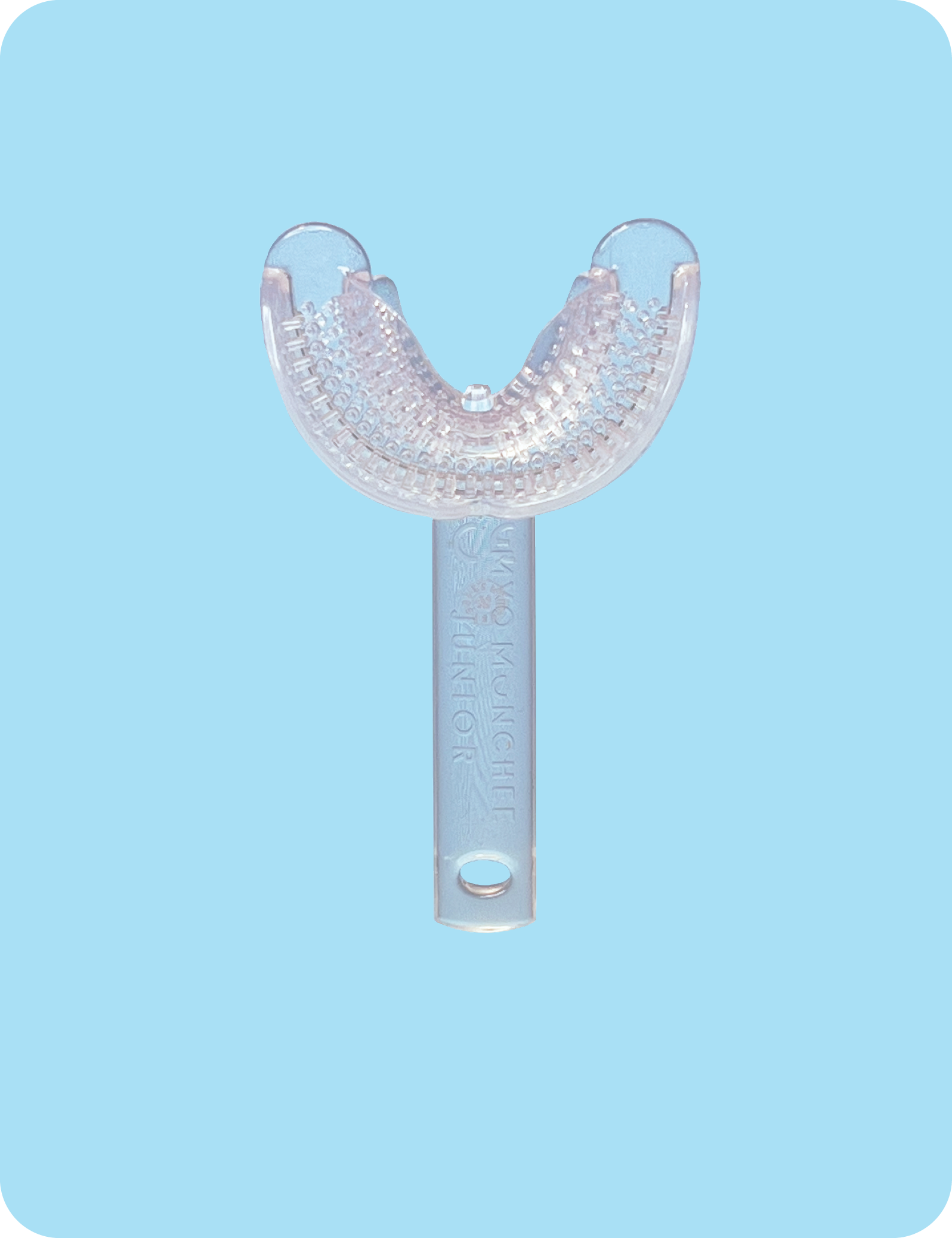
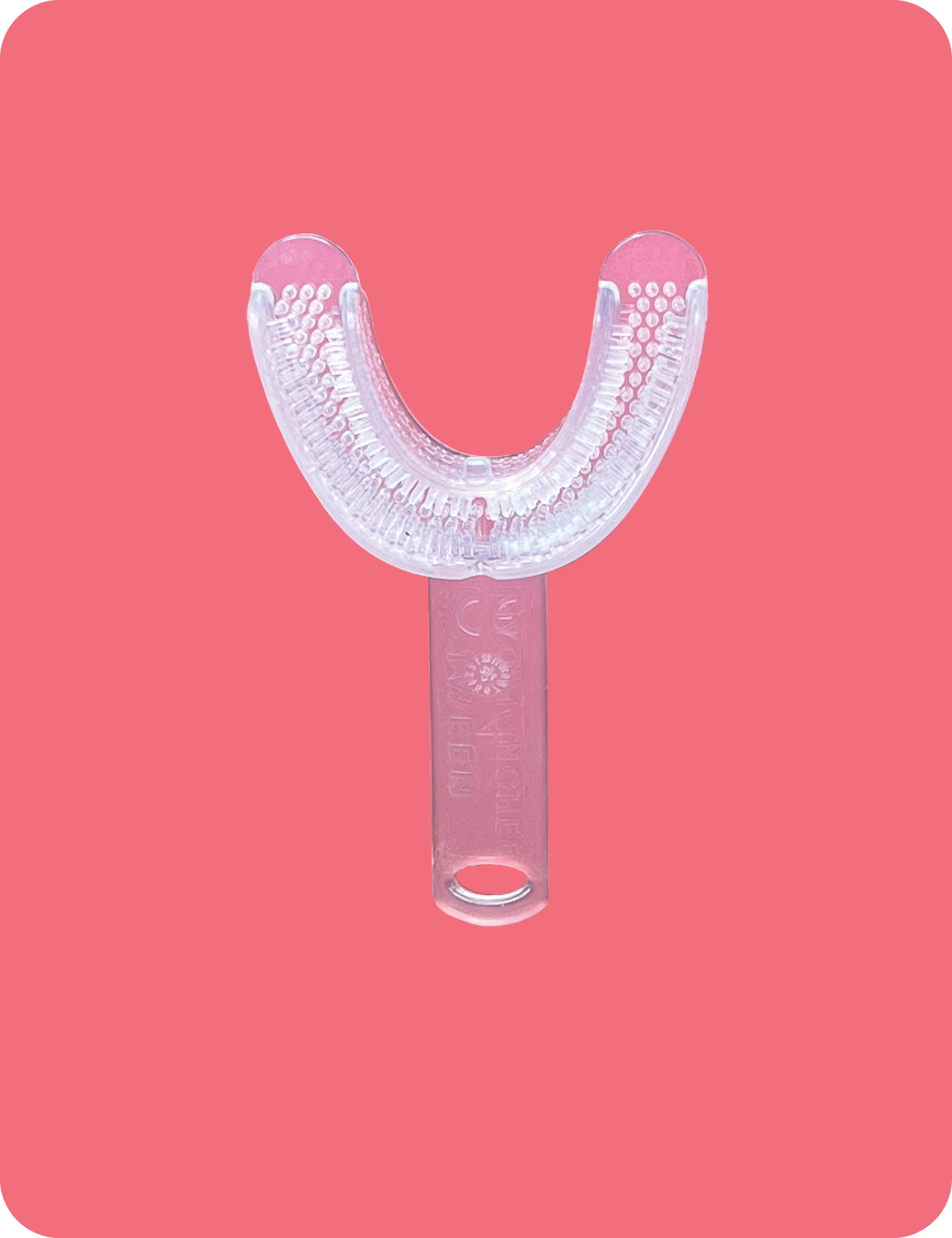
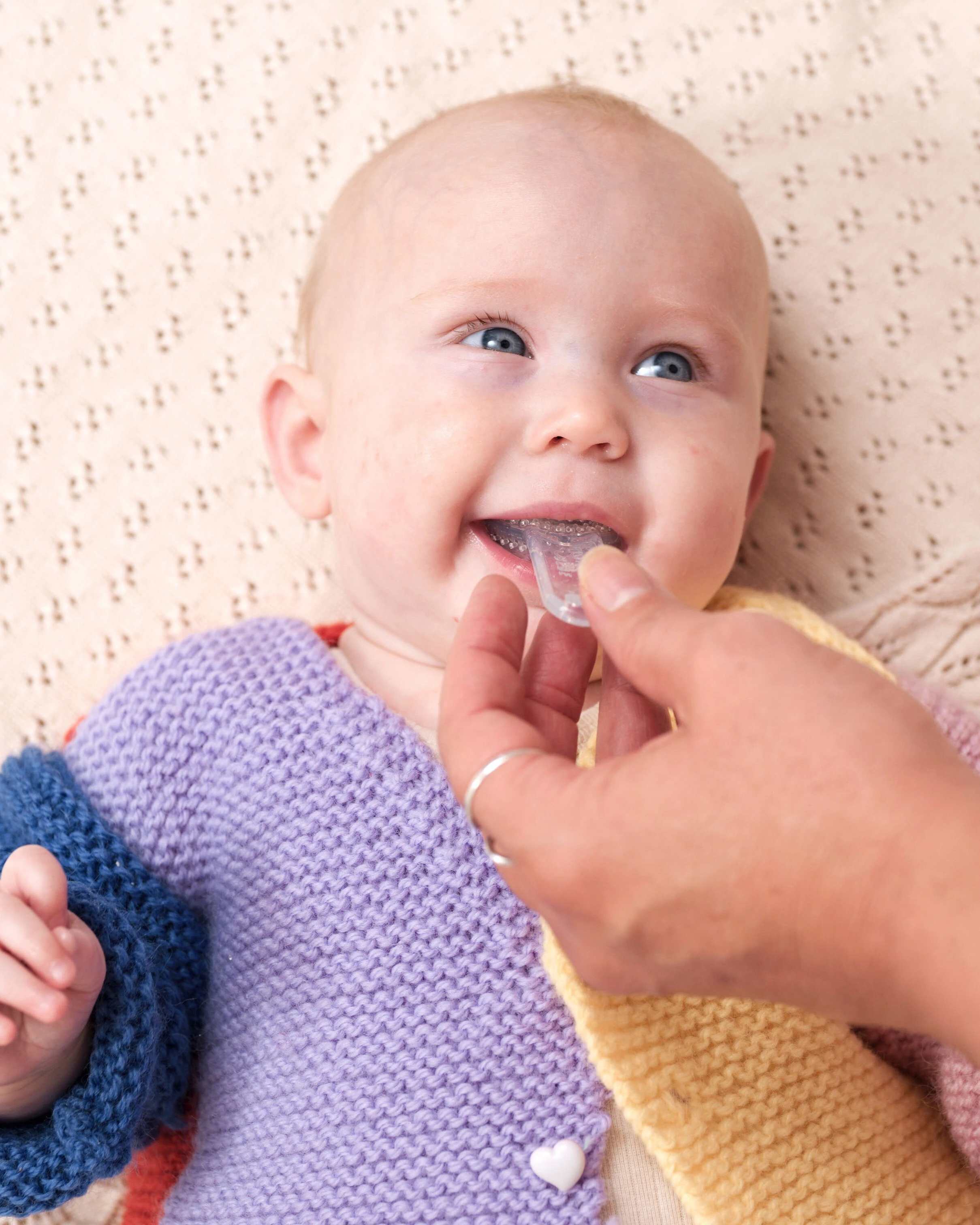
The Myo Munchee BEBE provides another safe way for your baby to explore, led entirely by them.
Is your baby ready?
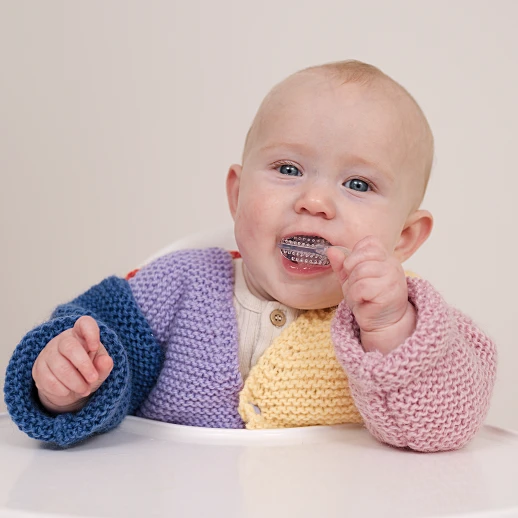

Why Oral Development Matters
Not just their mouth - their whole body is developing
During the same months, your baby is learning to reach, grasp, sit, move, play and explore the world around them.
Oral development is an essential part of the bigger developmental blueprint.
Tongue, lips and jaw are learning to move together
These same movements will later matter for eating and talking too.
This is done through:
- The transition from sucking to chewing
- Tongue, lip and jaw coordination
- Breathing and swallowing coordination
Their mouth and jaws are growing too
As your baby learns to use their tongue, lips and jaw in new ways, the mouth and jaws are developing too
Across the first 18 months, jaws grow, teeth begin to appear, and the way your baby uses their mouth changes a lot.
Where is your baby on their oral development journey?
Each baby follows their own developmental blueprint, with new skills emerging over time through growth, movement, experience and opportunity.
As babies learn new skills, they create new opportunities to explore and learn. A baby who learns to reach can explore toys in new ways. A baby who learns to sit can interact differently with food, objects and people.
The ages below are a guide, not a test - your baby may move through these stages a little earlier or later, but the sequence still matters. If they've had fewer opportunities to explore or learn to chew, it doesn't mean they've missed their chance; they may simply benefit from more gentle opportunities, repetition or support along the way.
Across the first 18 months, your baby's oral development is closely connected to their sensory, movement and postural development. Together, these skills build through three broad phases.

ACTIVATE ~ 0-4 months
Your baby begins building awareness, early movement and oral foundations through feeding, sensory exploration and hands-to-mouth discovery.
Suck, swallow, breathe
In the earliest weeks, your baby is building the first oral foundations through feeding.
Sucking, swallowing and breathing work together to help your baby feed safely and begin activating the muscles of the lips, tongue, jaw and face.
You may notice
- They're focused mainly on feeding, sleeping and early regulation
- Sucking and swallowing are still reflexive
- Short tummy time is beginning
- Head turning and early responses to sound and touch are emerging
Why this matters
Feeding is already a big job. Your baby is learning to coordinate sucking, swallowing and breathing while their body continues to grow and mature.
Hands to mouth and early oral exploration
As your baby becomes more alert, they may start bringing their hands toward their mouth and exploring their body in new ways.
This is an early sign that the mouth is becoming more than a feeding tool. It is beginning to become a learning tool.
You may notice
- Hands or fingers going to the mouth
- More alertness and interaction
- More saliva as oral activity increases
- Stronger head and neck control
- More interest in faces, sounds and movement
Why this matters
Those little hands going to the mouth are part of how your baby explores their own body, it gives lips, cheeks and gums sensory information that helps prepare them for chewing and exploring textures.
INTGERATE ~ 4-8 months
Your baby begins building awareness, early movement and oral foundations through feeding, sensory exploration and hands-to-mouth discovery.
Mouthing, mapping and chewing readiness
This is an important stage for oral exploration. Your baby isn't putting everything in their mouth just because they're teething - this is also when early chewing readiness begins to emerge.
You may notice
- Toys and hands going into the mouth often
- Exploring different textures through mouthing and play
- More dribbling as the gums prepare for teeth to emerge
- Early teething signs
- More purposeful reaching, grabbing and mouthing of toys
- Increasing interest in food and watching others eat
Why this matters
Mouthing helps your baby map their mouth and prepare for the next stage of feeding, chewing and oral coordination.
BEBE is generally recommended from around 6 months of age.
Some babies may be ready a little earlier from as young as 4 months, particularly if they are confidently bringing their hands and toys to their mouth and exploring in a more purposeful way.
If your baby is between 4 and 6 months, we recommend completing the BEBE Readiness Quiz and seeking guidance from a Certified Practitioner before introducing the BEBE.
IS MY BABY READY?Solids, tongue movement and early chewing
At this stage, many babies begin exploring solids and showing more interest in food. The tongue starts learning to move in new ways, including side-to- side movement that helps shift food around the mouth.
You may notice
- Increasing interest in food or reaching for food
- More stable upright sitting during mealtimes
- Experimenting with soft solids and exploring different textures
- Gagging is normal while learning to manage textures
- Food occasionally pushed forward by the tongue while learning
- First teeth beginning to appear
Why this matters
Managing solids is not just about age. It requires the tongue, lips, jaw, swallow and breathing to begin working together in more coordinated ways.
Stabilise ~ 8-18 months
Your baby begins building awareness, early movement and oral foundations through feeding, sensory exploration and hands-to-mouth discovery.
Swallow refinement and coordinated feeding
Oral skills become more refined during this stage.
Your baby will begin managing more textures, moving food more effectively around the mouth, drinking from an open cups, and developing a more mature swallow pattern.
You may notice
- More interest in textured foods
- Interest in self-feeding
- Drinking from a cup with some spillage
- Improved food management in the mouth
- Less food being pushed forward
- More lip closure
Why this matters
Chewing, swallowing and breathing are becoming more coordinated. This stage helps support more confident feeding and oral function.
Chewing, lip closure and daily routine
By this stage, most babies are actively moving and exploring their environment, and they are also becoming more confident with their mouths.
Chewing will become more coordinated, self-feeding increases, and your baby will begin managing a wider range of textures. Lip closure, nasal breathing and saliva control also become more important markers of oral function.
You may notice
- More confident chewing of tougher textures
- Improved lip closure while eating
- More independent self-feeding
- Better hand and mouth coordination
- Better management of saliva
- Clearer chewing, swallowing and breathing coordination
Why this matters
This stage helps stabilise the oral patterns developed across the first year and supports the foundations for future jaw growth and speech development, while helping create the optimal oral environment for teeth to continue emerging as your child grows.
Many children may begin transitioning from BEBE to the MINI from around 18 months. However, readiness is not determined by age alone.
If your child is still building confidence with chewing, swallowing, saliva management or oral routines, continuing with BEBE may be appropriate until those skills become more established.
If you're unsure, a Certified Practitioner can help assess readiness and guide your next step.
IS MY BABY READY?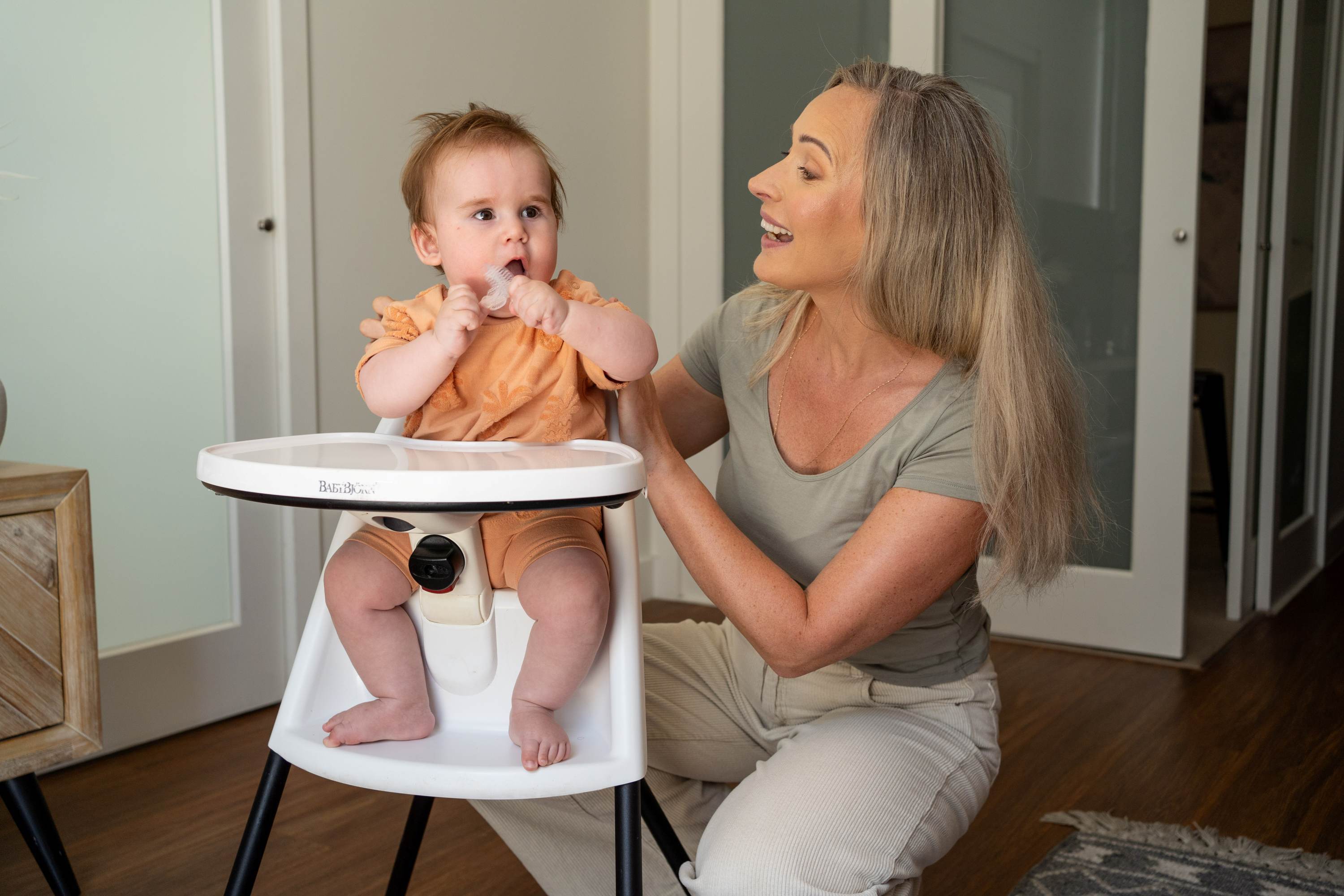
Every safe object offers your baby's brain something different to explore
When your baby puts things in their mouth, they are not just chewing or teething. They are exploring and gathering information.
The mouth helps your baby learn about:
 shape
 texture
 size
 pressure
 movement
 space
These experiences give your baby opportunities to learn about their mouth and develop more coordinated movements over time. They also help your baby notice where the tongue, gums and emerging teeth sit within the mouth as oral skills become more coordinated.

AN IMPORTANT NEXT STEP
From sucking to chewing
Chewing is an important developmental movement. It develops over time as babies grow, explore food and learn to move their tongue and jaw in new ways.
As teeth begin to emerge, chewing experiences also become part of the broader oral development process, alongside the growth of the mouth and jaws.

Suck
Swallow, breathe

Mouth
Explore, map

Chew
Swallow, breathe
DESIGNED FOR YOUR BABY
How BEBE supports this stage
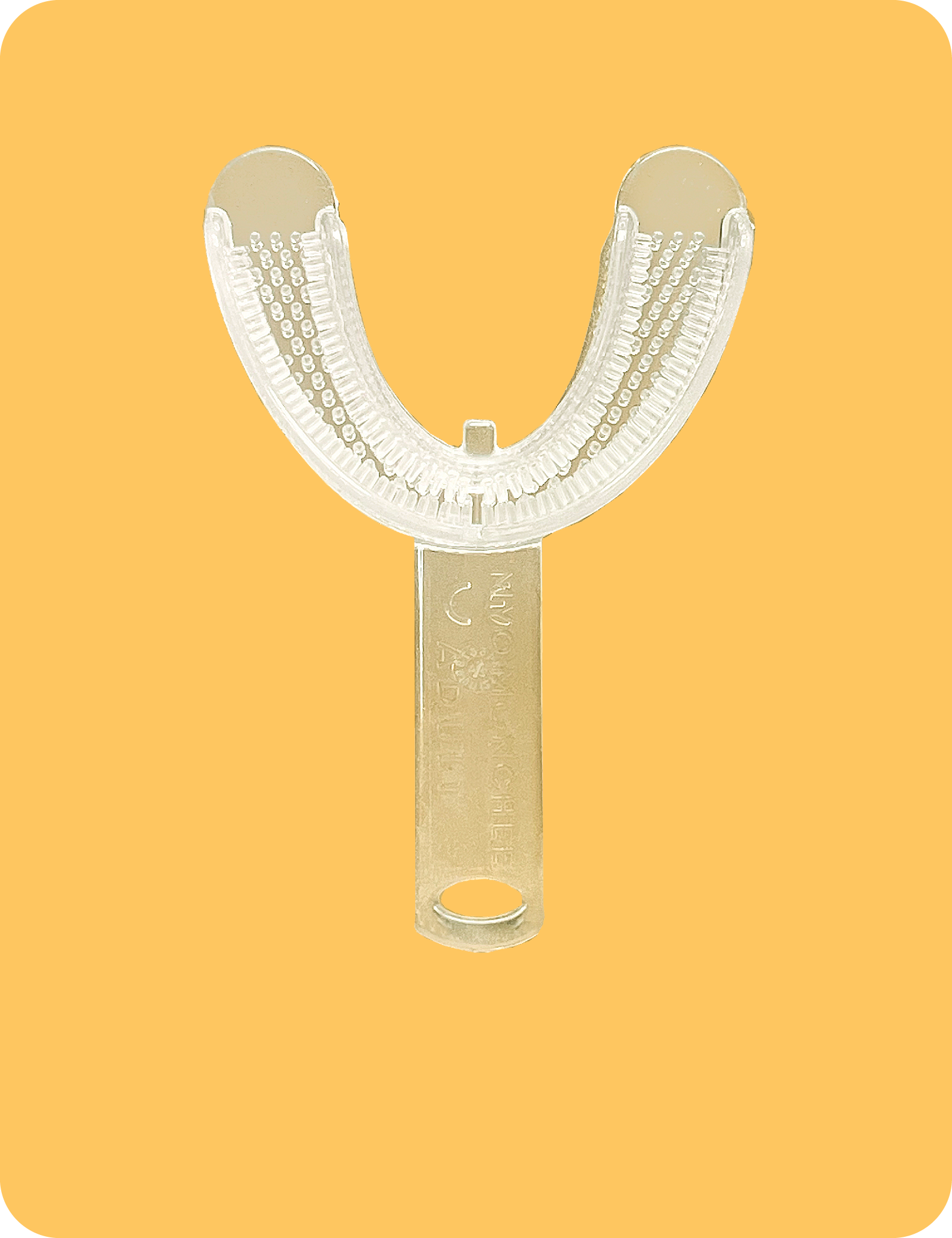
The Myo Munchee BEBE is a gentle, medical-grade silicone tool designed for little hands and growing mouths. Rather than trying to make your baby hit milestones faster, it simply gives them something purpose-made to reach for, hold, mouth and discover in their own way.
safe, sensory-rich exploration
tongue, lip and jaw engagement

short, positive oral experiences throughout the day
transition from sucking toward chewing


IS YOURBABY READY?
Readiness isn't just about age - it's about what your baby is showing you.
Take our quick quiz to find out if now's the right time for BEBE, or if a practitioner chat makes sense first.
TAKE THE BEBE READINESS QUIZ
YOUR GUIDE
How to start with BEBE
At first, your baby may simply hold, taste, mouth or explore the BEBE. That is part of the process.
The goal is to build comfort, curiosity and positive oral experiences over time.
Choose the right time
Offer BEBE when your baby is calm, settled and open to interaction
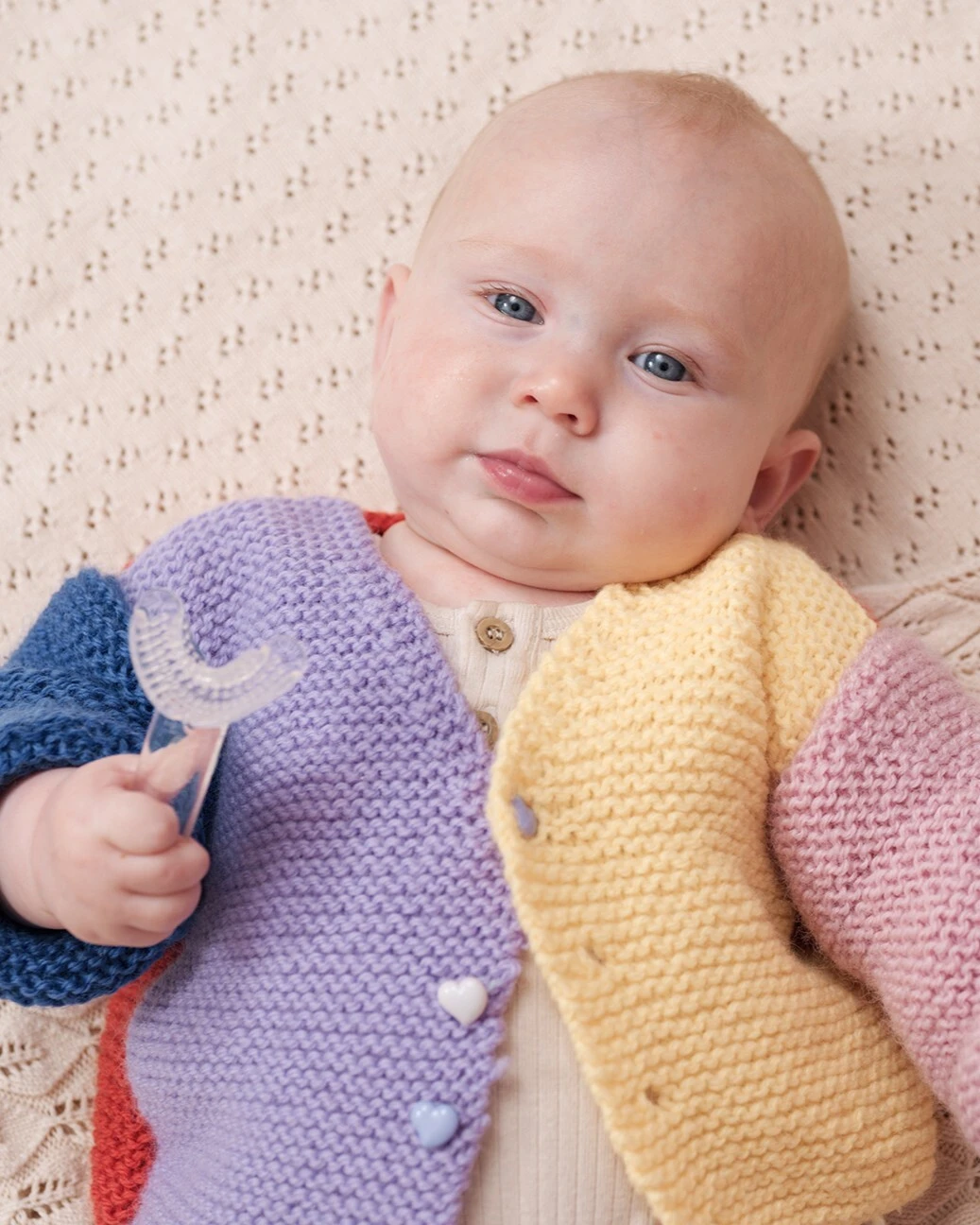
Let them explore
Allow your baby to hold, mouth and explore BEBE in their own way

Keep it short and often
Start with small moments throughout the day rather than one long session
A gentle note on sucking, pacifiers and soft foods
As your baby grows, particularly from around 3 months onward, their mouth also needs opportunities to explore new movements, textures and chewing patterns.
As babies grow, they naturally begin exploring a wider range of oral experiences, including different textures, foods, cups and chewing opportunities. This does not make bottles, pacifiers, sippy cups or soft foods bad. It simply means that, as your baby develops, variety matters too.
This does not mean you have done anything wrong.
Gentle, baby-led opportunities can help your baby explore beyond sucking as they move toward chewing.
CHECK READINESS BEFORE YOU BEGIN
You don't have to work it out alone
Your baby's oral development is important, and every baby's needs are different.
A Certified Myo Munchee Baby Practitioner can help assess your baby's readiness, oral habits and development, especially if you have concerns around feeding, swallowing, breathing, mouth posture or oral function.
FIND A PRACTITIONERFAQs
What age is BEBE for?
BEBE is designed for babies in the early oral development stage, generally from around 6 to 18 months. A baby's early development can have small variations, so the readiness quiz helps guide whether BEBE may be suitable now.
What if my baby is older?
It is not too late to begin. If your baby is older, you may simply need to start gently with short, baby-led moments of exploration and build from there.
What if my baby does not chew on BEBE straight away?
That is okay. In the beginning, BEBE is about exploration, comfort and sensory input. Your baby may hold, mouth, taste or explore it before they begin engaging more actively.
Is BEBE only for babies with oral issues?
No. BEBE is designed to provide another opportunity for baby-led oral exploration within your baby’s developmental journey. It may be helpful for babies who need extra support, but it can also support babies who are tracking well and ready for new oral experiences.
Does BEBE make babies develop faster?
No. BEBE is not designed to make babies achieve milestones faster. It provides another opportunity for baby-led oral exploration as your baby develops.
Does BEBE teach chewing?
No. Chewing develops through growth, movement, feeding experience and practice over time. BEBE provides another baby-led opportunity for oral exploration as those skills develop.
When should I seek professional advice?
Seek professional advice if you are concerned about feeding, swallowing, breathing during feeding, significant texture difficulties, distress with eating, or your baby’s development more generally.
What happens after I take the BEBE Readiness quiz?
Once you complete the BEBE Readiness Quiz, you'll receive personalised guidance based on your baby's development and oral readiness. If your result is Ready, you can purchase BEBE directly through our website. If your result is Not Ready Yet, you may be encouraged to connect with a Certified Practitioner for additional guidance and support before introducing BEBE.
Even if your result is Ready, we strongly recommend seeking professional guidance if you have concerns about your baby's feeding, chewing, swallowing, breathing or oral development. Every baby's developmental journey is unique, and BEBE may not be suitable for every situation. The quiz is designed to guide, not judge, helping you understand the most appropriate next step for your baby at their current stage of development.
Can I buy this directly, or do I still need a practitioner?
Whether you can purchase BEBE directly depends on your BEBE Readiness Quiz result. The quiz helps determine if BEBE may be suitable for your baby at their current stage of oral development. If your result is Ready, you can purchase BEBE directly through our website. If your result is Not Ready Yet, you may be encouraged to connect with a Certified Practitioner before introducing BEBE.
Professional guidance is always recommended, particularly if you have concerns about your baby's oral development or would like additional support. A Certified Practitioner can provide personalised advice to help ensure BEBE is introduced appropriately for your baby's individual needs.
When should I wean my baby off the pacifier or dummy?
Babies typically begin transitioning from sucking to chewing around 4–6 months of age, making this a good time to gradually introduce age-appropriate chew toys and reduce reliance on dummies or pacifiers. While prolonged pacifier use may influence tongue and lip function and jaw development, chewing encourages the use of oral muscles and supports the development of chewing skills.
If your baby continues to use a dummy or pacifier, consider gradually limiting its use as they develop new oral skills. You can also try gently removing it once your baby has fallen asleep, where practical, to reduce extended periods of sucking. Every baby's development is different, so it's important to follow their individual readiness and comfort.