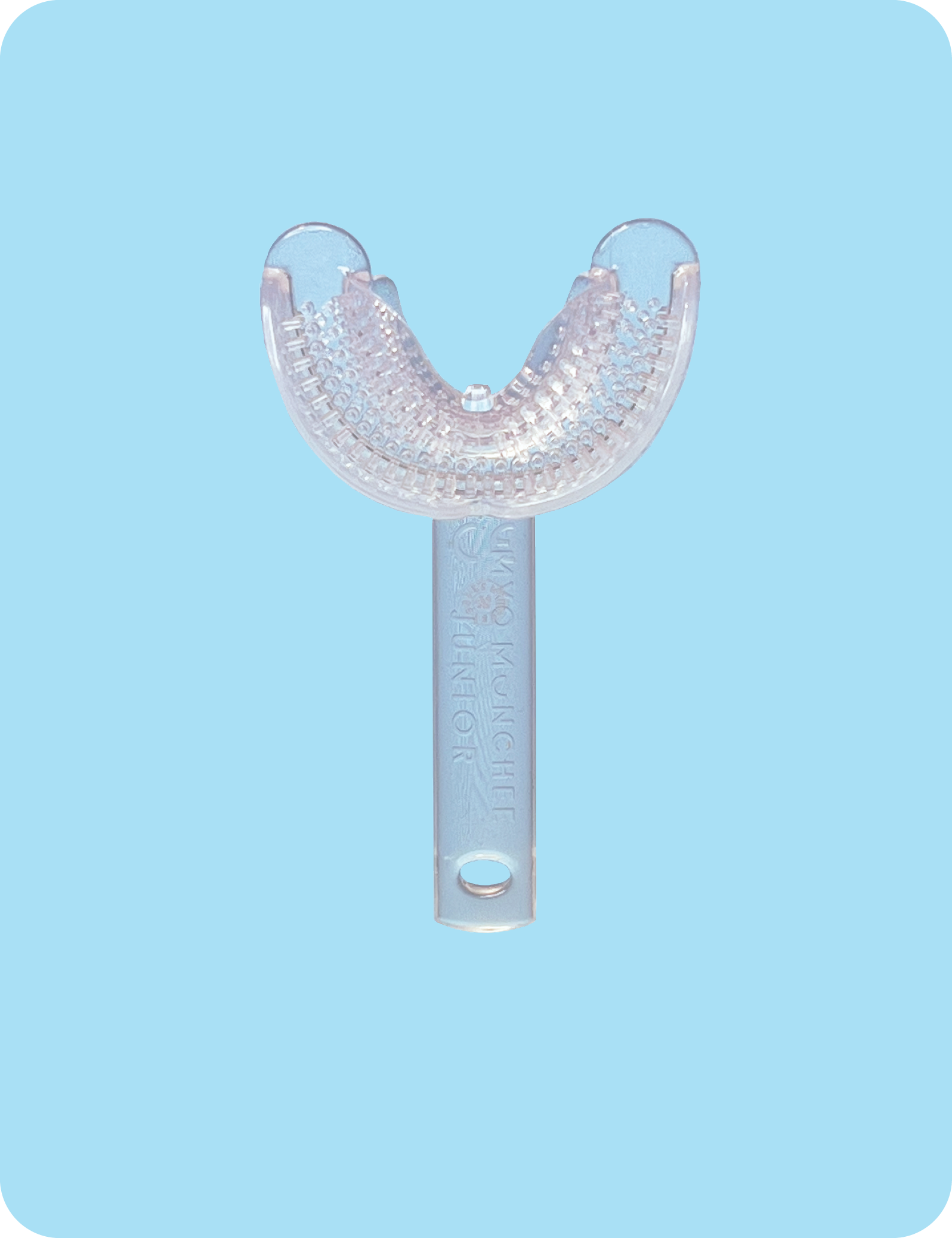
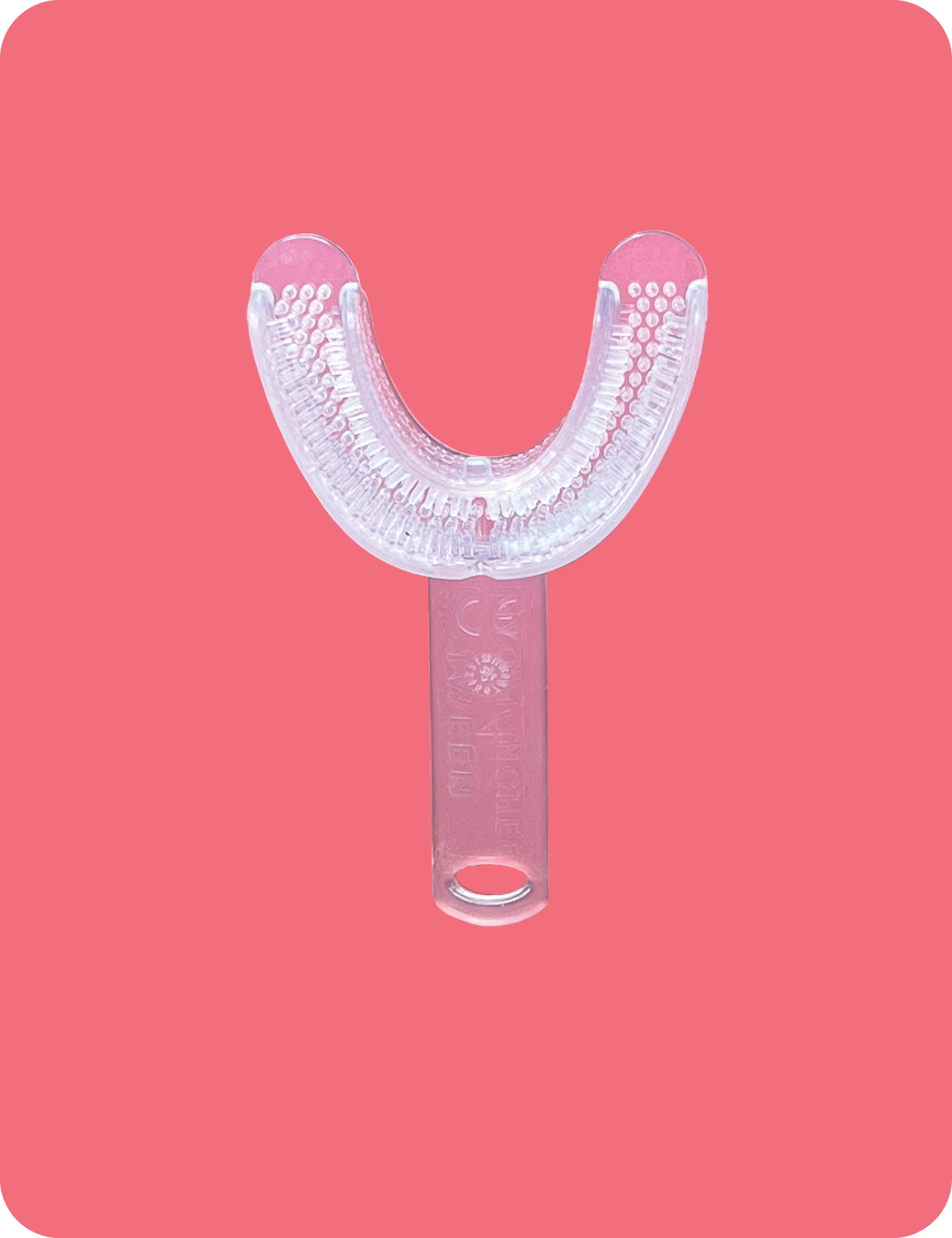
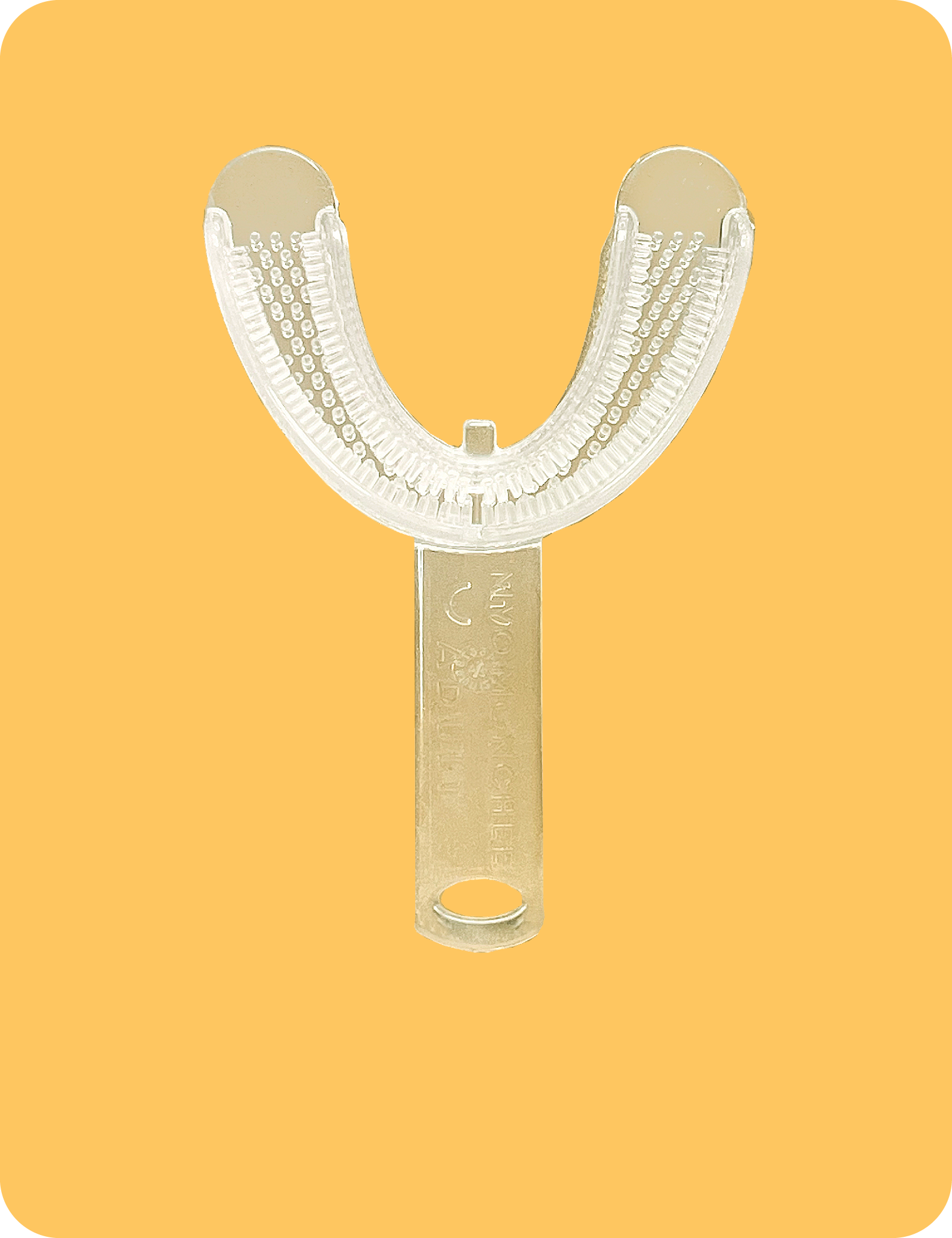




BEBE Clinical Pathway for Practitioners
Screen first. Prescribe by stage. Progress by observed function.
Assessing a baby today?
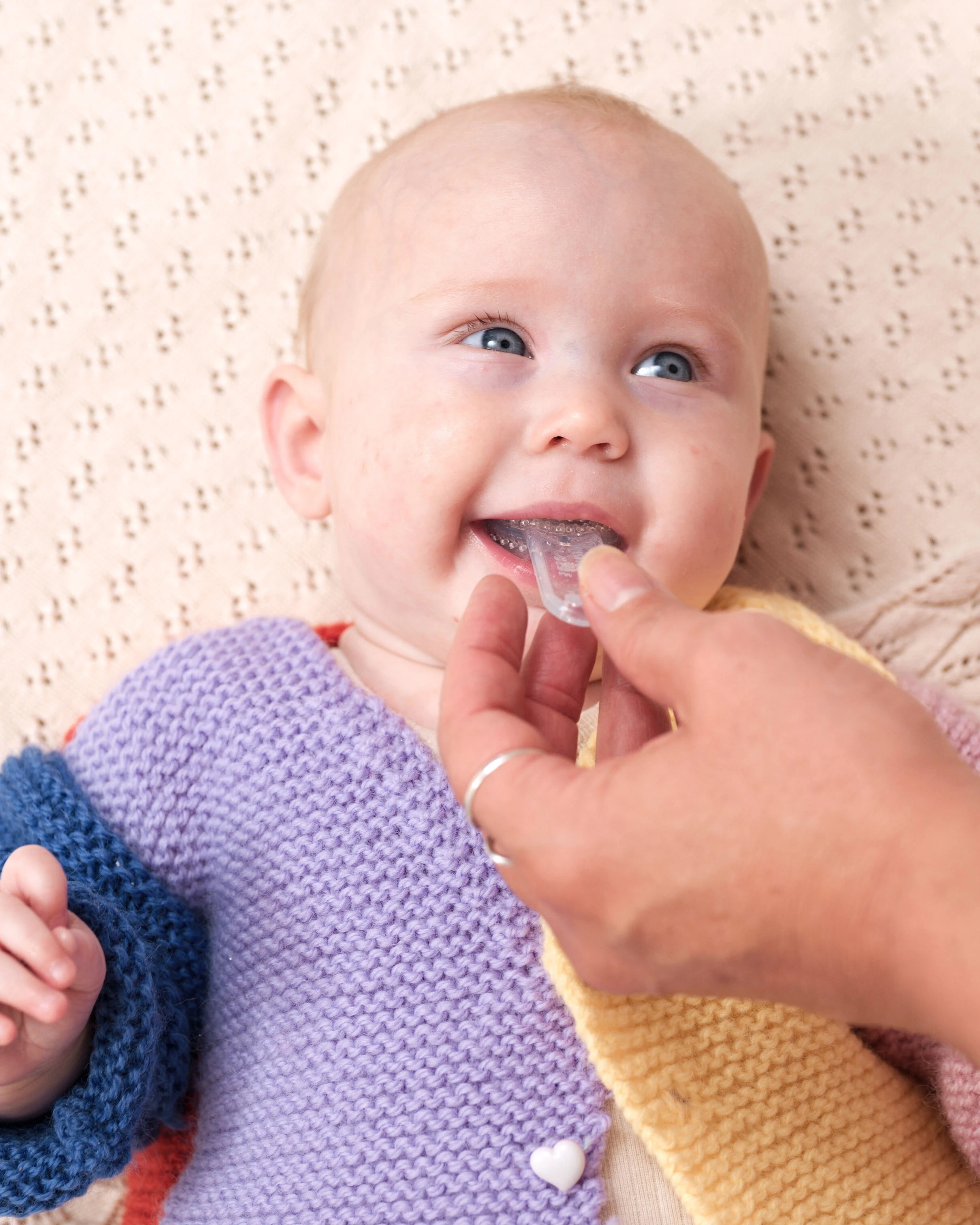
Early oral development is observable
Screen for readiness
Clinical decisions are based on visible function, not age alone.
Clear coaching
Families get short, practical use guidance matched to their baby’s stage.
Progress safely
Delay, refer, or support use before further dysfunction occurs.
Start with five readiness gates
Mark a tick or cross for each foundation. Unsure? Open “How to check”.
- 1Readiness gates
- 2Grey-area screen if needed
- 3Summary + report
-
01
Corrected age
At least 4 months before the Myo Munchee™ BEBE is considered.
-
02
Oral exploration
Hands, toys, cloths, or caregiver fingers move toward the mouth.
-
03
Posture and midline
Stable head control, tummy time endurance, and hand-to-mouth play.
-
04
Sensory tolerance
Comfortable contact around lips, cheeks, gums, chin, and face.
-
05
Regulation
Calm-alert state, social engagement, and easy recovery from mild stress.
Complete the five readiness gates.
Mark tick or cross for each foundation. The grey-area screen appears only when a gate has not passed.
10 domains, for babies 4+ months
Use when readiness is unclear. Review every 4–6 weeks if supporting.
No domains answered yet
Select whether each domain meets the desired observation or needs support.
0 answered0 met0 need support
How to check this domain
Desired observation
Seek support if
Suggested support
Screening summary and report
Readiness gates
Domains needing support
Family handout in the report
Picked from the result. Change it if a different phase fits.
What gets copied
Prescribe by stage, response, and supervision
Each phase ends with what to give the family.
ActivateFrom birthNot using the BEBE yet. Build the foundations that readiness depends on.
Build the foundations
Not using the BEBE yet. Support oral curiosity, midline, tummy time, nasal breathing, sensory comfort, and regulation.
What to tell parents at this stage
- The BEBE isn’t needed yet. These months build the foundations.
- Short, regular tummy time and side-lying play.
- Let hands and safe toys find the mouth.
- Mention any feeding worries, or noisy or mouth breathing.
Send them home with
The BEBE page on myomunchee.com. See what the BEBE is, how it works, and what to expect when your baby is ready.
IntegrateFrom 4 monthsEvery baby starts here once the gates are met, whatever their age.
Begin tiny baby-led moments
Offer many small, baby-led 10–20 second playful exposures while the baby stays calm and in control.
Attach the BEBE to routines
The whole BEBE sits comfortably in the mouth during predictable parts of the day. Look for lip closure, retention, nasal breathing, and early chewing.
What to tell parents at this stage
- Offer the BEBE when your baby is calm and alert.
- Keep moments tiny: 10–20 seconds, many times a day.
- Let your baby lead, and stop while they’re still happy.
- Over the coming weeks, build towards 30–60 seconds during everyday routines.
Send them home with
The BEBE Journey, their Essential Info Hub. Free short lessons on starting gently and building the BEBE into everyday routines.
StabiliseFrom 8 monthsIncrease exposure and keep the routine enjoyable.
Make the BEBE part of oral play
Use during feeding-adjacent routines, pram and car routines, teething comfort, and safe flavour or chilled exposure where appropriate.
Keep the routine alive and assess MINI readiness
Interest can fluctuate. Keep the BEBE visible, enjoyable, and linked to books or Munchee time as chewing skills mature. From 15–18 months, assess readiness for the Myo Munchee™ MINI.
What to tell parents at this stage
- Make the BEBE part of everyday routines: play, pram, car and teething time.
- Build towards 1–2 minutes with lips together and breathing through the nose.
- It’s normal for interest to come and go. Keep the BEBE visible and fun.
- From around 15 months, we’ll check readiness for the MINI together.
Send them home with
The BEBE Journey, their Essential Info Hub. See the Extend & Sustain lesson now, and “Is it time for the MINI?” when the time comes.
When else can the BEBE help?
The BEBE supports function across a range of presenting conditions. Screen and prescribe by stage as usual, then use these notes to tailor the plan. Tick any that apply in the screening summary and they’re added to the report.
-
The BEBE supports lips resting together and the tongue resting up, which go hand in hand with nasal breathing.
Why it helps
Resting with lips together takes tone, built by breastfeeding, mouthing and, later, chewing. A tongue that rests up against the palate shapes a broad palate and an open nasal airway; a low tongue, often from a tongue tie, can leave a high, narrow palate and a narrower airway.
How to use it
Prescribe by stage as usual. During BEBE moments, encourage lips to close gently around the BEBE, and note breathing at rest at every review.
Refer if
Mouth breathing persists, or there is noisy breathing or snoring: GP or paediatrician for airway review. Check for a tongue tie.
-
Yes, alongside a cranial specialist. Chewing drives the growth of the whole craniofacial complex, and the BEBE helps rebalance the forces of chewing.
Why it helps
Chewing, swallowing and nasal breathing keep the cranial bones moving. The BEBE encourages balanced chewing and stimulates motion through the spheno-basilar articulation.
How to use it
Build the BEBE into the treatment plan. Encourage chewing on both sides, keeping moments short and baby-led.
Work with
A paediatric chiropractor or paediatric osteopath experienced in cranial function.
-
From around 6 months, the BEBE gives the mouth something to chew instead of suck.
Why it helps
By around 6 months, the early reflexes that support feeding and breathing should be fading and more mature oral postural reflexes developing. The BEBE moves the mouth from sucking towards age-appropriate chewing.
How to use it
Offer the BEBE in the calm, awake moments when the dummy or thumb usually appears, such as play, pram or car time. Reduce daytime dummy use gradually.
Keep in mind
The BEBE is always supervised and is not a sleep aid.
-
Yes, whether the tie has been released or not. After a tongue or lip tie release, the BEBE can be used as soon as the baby is comfortable. There’s no need to wait until the acute healing phase is over.
Why it helps
A tethered tongue rests low, which can leave a high, narrow palate and affect jaw relationships. This pattern has been there since about 12 weeks in utero, so it can persist even after an early release. The BEBE keeps driving function forward.
How to use it
Let the baby lead: it should cause no discomfort, and they take it out when they’ve had enough. The ideal start is 4–5 months; under 4 months, only practitioners specialised in infants should use the BEBE. Plan to continue from the BEBE to the MINI.
Work with
The releasing practitioner and the baby’s feeding support team.
-
Chewing and swallowing are the movements that keep fluid from building up in the sinuses and ears, and the BEBE engages both.
Why it helps
In a correct swallow, the tongue pushes up onto the palate, giving a pumping action for the sinuses and Eustachian tubes. When fluid stagnates, sinus and ear infections are more likely. The shape of the BEBE also gently stimulates the bones and soft tissues of the face and jaws.
How to use it
Build regular, short BEBE moments into daily routines, watching for lips together and an easy swallow.
Refer if
There are signs of an ear or sinus infection, fever, discharge or hearing concerns: GP. The BEBE supports function; it doesn’t treat infection.
-
Yes. Chewing stimulates the eruption of teeth, and gnawing on the BEBE gives sore gums something firm to work on.
Why it helps
The timing and position of eruption depend on stimulation of the jaw bones, gums and tissues through chewing and gnawing. Pressure along the long axis of the tooth encourages it to erupt, and balanced chewing forces favour upright teeth in a symmetrical arch. Chewing also stimulates the periodontal ligament, feeding back to the brain through the trigeminal nerve.
How to use it
Offer the BEBE when the baby is uncomfortable with teething. A handy tip to help them engage: freeze it with some milk or another liquid, such as water or fruit puree.
Keep in mind
Always supervise use, as with every BEBE moment.
-
Yes. Oral motor function is guided by oral sensation, and the BEBE builds awareness of the whole stomatognathic system.
Why it helps
The mouth is rich in sensory nerves, with the front and the midline the most sensitive. Input comes from the tongue, lips, palate, teeth and jaw muscles, and sensation and movement shape each other continuously.
How to use it
For babies who are sensitive to, or seek, oral input, start with short, baby-led contact at the lips and front gums and progress at their pace.
Refer if
There is oral aversion, gagging or distress: paediatric SLP or OT for sensory oral support.
-
Yes. The more oral stimulation we can provide to up-regulate the nervous system, the better, and the BEBE is an ideal oral sensory tool.
Why it helps
Children with cerebral palsy or Down syndrome, and babies with sensory integration differences, high needs, high tone or regulation difficulties, can all benefit. A correct swallow and nasal breathing support self-regulation, and systematic jaw work can build the strength and habits needed to close the mouth at rest (Di Bahr).
How to use it
Start where the child is functionally, not by age, and progress through the stages at their pace. Adjust positioning and support for tone.
Work with
The child’s therapy team, such as their SLP, OT or physiotherapist.
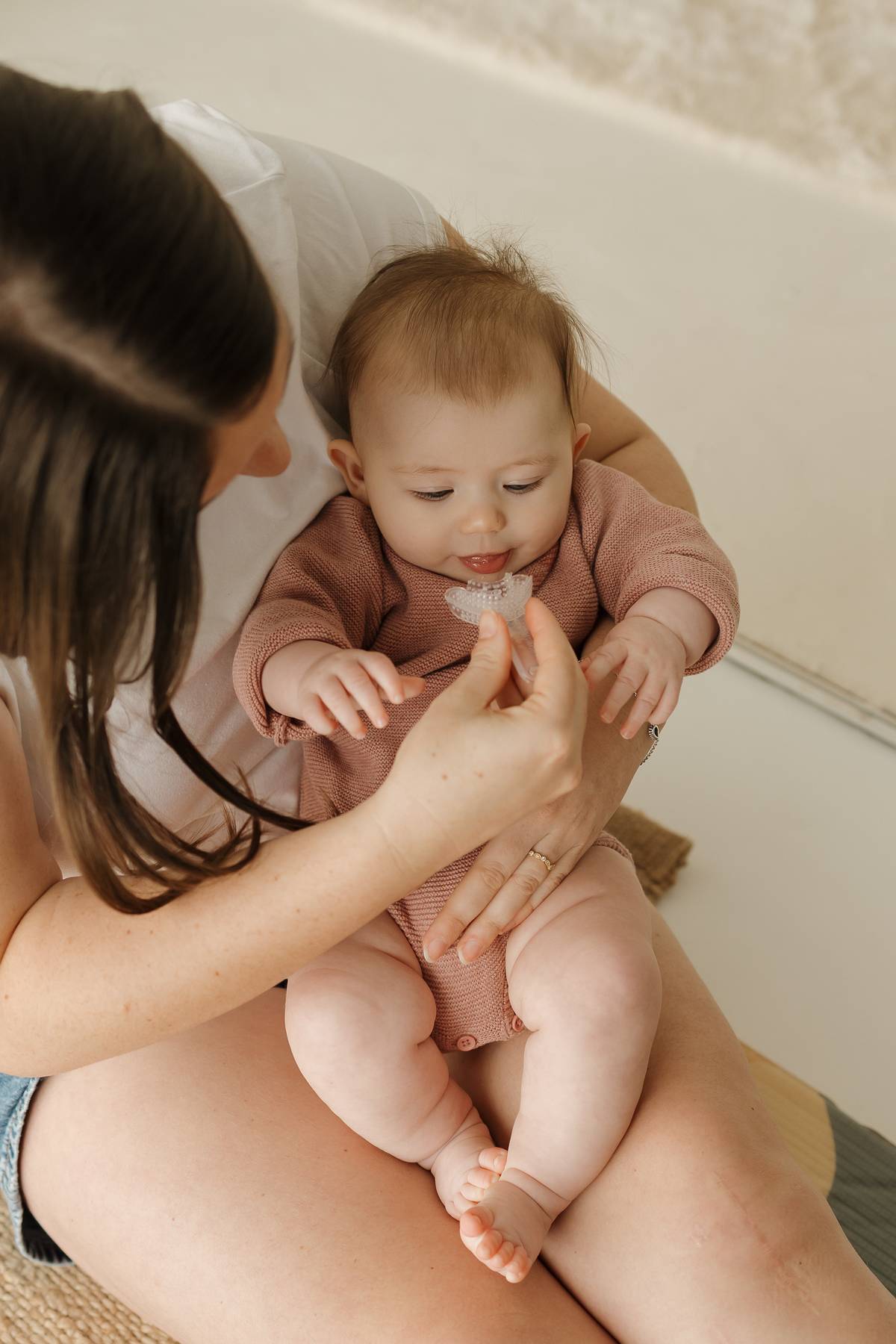
Prescribe, monitor, document, and adapt
A supervised oral sensory-motor tool for observation, nasal breathing, chewing practice and oral mapping.
Offer the BEBE during a calm-alert moment. Let the baby notice, reach, hold, and mouth it for 10–20 seconds at first, then stop while the baby is still calm.
Starting late does not mean skipping early foundations. Check the readiness gates first, identify the earliest missing stage, and progress only when the relevant markers are visible.
Look deeper if function isn’t tracking by 8 months. See the red flags below.
The screening summary creates one report for your notes.
Go to the screen ›
Progress by stage, not age
Every baby moves through the same four stages, in order. The signs set the pace: late starters still begin at Start, and often move through faster.
Many tiny, baby-led moments. The baby notices the BEBE, reaches, mouths it, takes it out, settles and tries again.
Signs to move on to Build
- Reaches for the BEBE with interest
- Brings it to their mouth on their own
- Takes it out and comes back to it
- Stays calm and settles easily afterwards
The whole BEBE sits comfortably in the mouth during predictable parts of the day.
Signs to move on to Extend
- Holds the whole BEBE in their mouth comfortably
- Stays relaxed for around 30–60 seconds
- Early chewing movements are appearing
- The BEBE has a regular, predictable moment in the day
The BEBE joins more parts of the day, alongside chewing practice, teething comfort and growing confidence with food.
Signs to move on to Sustain
- Uses the BEBE comfortably in a few different routines
- Chews more purposefully
- Enjoys the BEBE alongside food exploration, once on solids
- Settles back quickly after a break
The BEBE is a familiar part of books, games or time with the parent, with lips together and comfortable nose breathing.
What it looks like at Sustain
- Enjoys around 1–2 minutes during books or play
- Chews gently with lips together
- Breathes comfortably through the nose during use
- Manages saliva and swallowing with ease
Brief pushing out or turning away is common early on. If these persist, pause before progressing and look deeper.
- Persistent tongue thrusting
- Repeatedly pushing the BEBE out
- Unable to tolerate full placement
- Persistent mouth breathing
- Gagging, distress, or oral aversion
- Airway or breathing concern
Move to the MINI only when function is ready
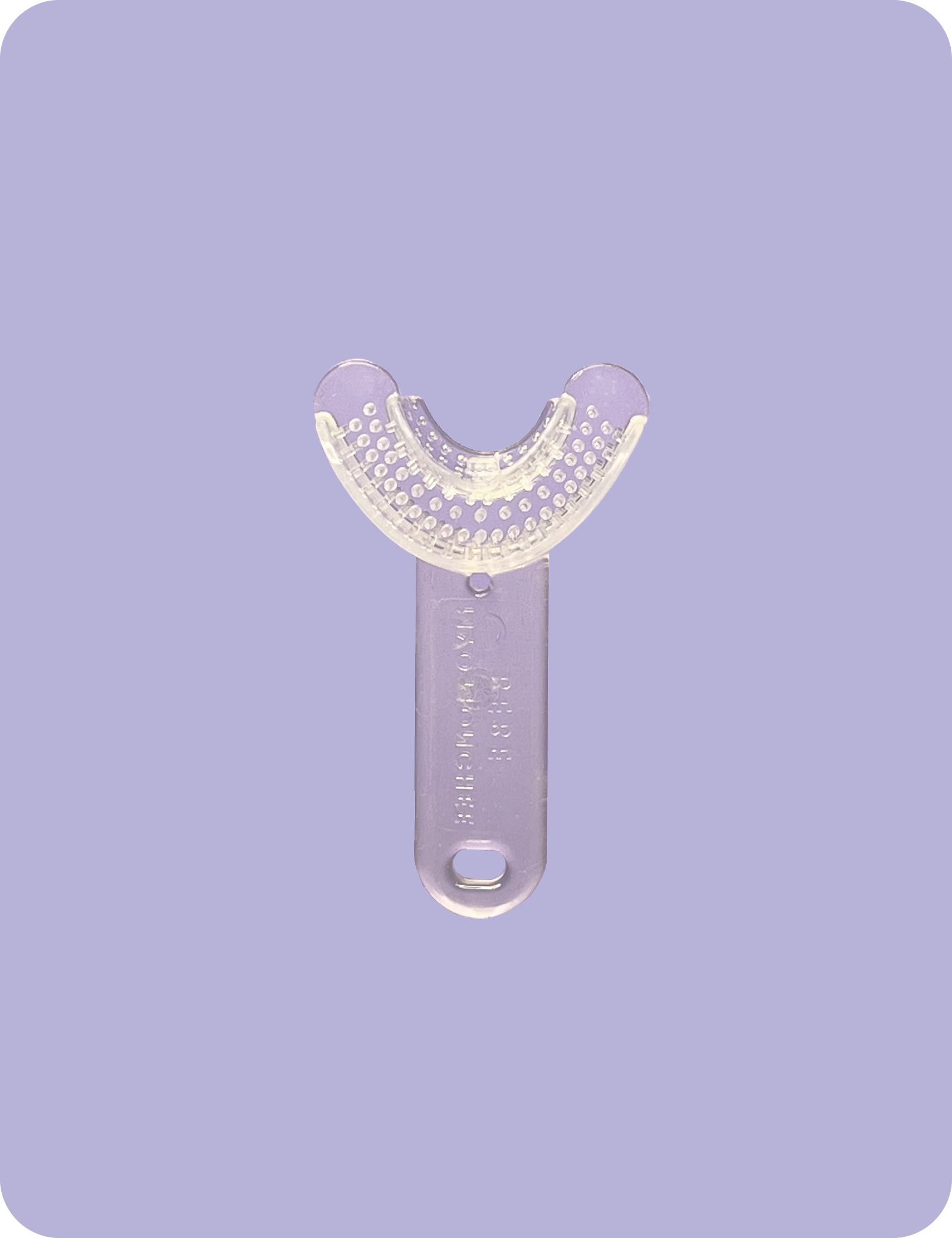
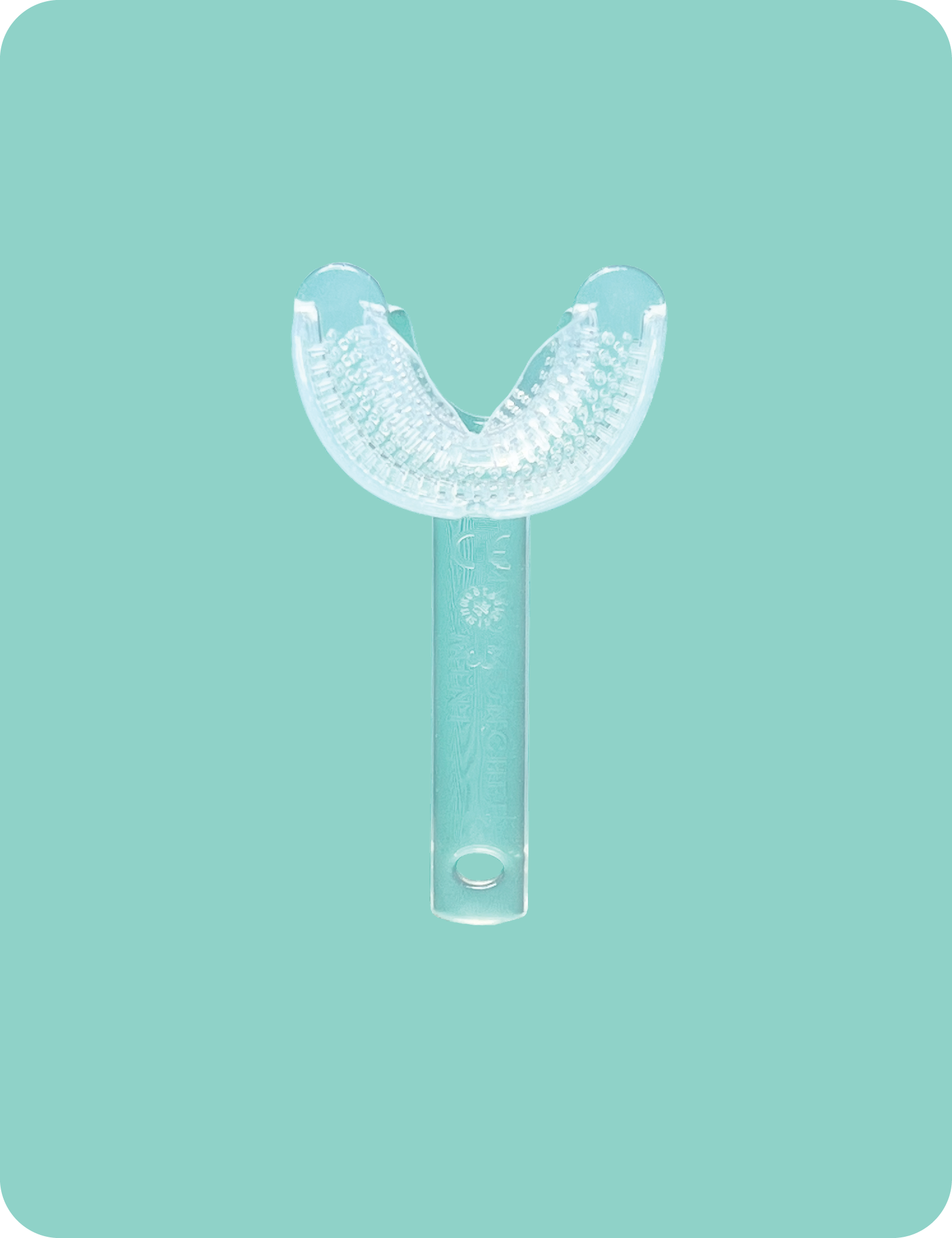
0 / 6 signs
Keep going with the BEBE
Clinical handoff: review from 15–18 months. If signs aren’t clear, keep the BEBE going and reassess up to 24 months.